

Tracking road cycling performance requires more than just a bike. A poor wrist fit, hard-to-read display, or short battery life can ruin a ride. Many cyclists struggle with devices that feel bulky, lack water resistance, or drain quickly during long sessions. After analyzing product specs and user feedback, we’ve curated the best watch for road cycling performance for 2026. These options focus on GPS accuracy, battery life, and comfortable wrist wear. Whether you prefer a full cycling computer or a sleek GPS watch, each model here aims to solve common frustrations like unreliable tracking or uncomfortable straps.
Our selection includes the Garmin Edge series for serious data lovers and the COROS PACE 4 for those wanting a lightweight watch that does it all. We also looked at budget-friendly sensors like the Wahoo RPM and Magene S3+ to enhance your current setup. The best watch for road cycling performance in November 2026 balances readability, durability, and smart features without adding extra bulk. Read on to find the right companion for your next ride.

Pros
- Complete shot tracking and course mapping ecosystem without recurring subscription costs
- Lightweight casing and comfortable strap ensure zero interference during golf swings
- Included 16 grip tags deliver granular club data and automated round statistics
- Tactile four-button navigation works reliably with golf gloves or in light rain
- Extended battery life easily covers up to 36 holes on a single charge cycle
Cons
- Display brightness can appear subdued in intense, direct sunlight without backlighting
- Utilizes a proprietary charging cable rather than standard USB-C
- Shot tracking occasionally misses swings or requires post-round app adjustments
The Shot Scope V5 represents a dedicated evolution in sports timepieces, bridging the gap between an everyday digital athletic watch and a comprehensive golf intelligence platform. Built specifically for athletes, weekend tournament players, and tech-focused golfers, this wearable eliminates the need to reach for a bulky rangefinder or juggle a mobile phone during a round. Its lightweight resin chassis and ergonomic silicone strap ensure the watch sits flush on the wrist, offering dependable all-day wearability that never snags on a golf glove or inhibits a wrist hinge during the top of a backswing.
Where the V5 truly shines is in its navigation and distance accuracy. The watch comes preloaded with over 36,000 global courses, using satellite positioning to relay real-time distances to the front, middle, and back of every green. In addition to basic yardages, golfers can cycle to full-color hole layouts to inspect fairway hazards, bunkers, and doglegs. Tactical push buttons along the case flank provide immediate, tactile feedback, allowing users to scroll between hazard details and pin positions effortlessly even in damp morning mist or with a gloved hand.
Performance tracking is seamlessly integrated thanks to the included 16 second-generation RFID tags that screw directly into the butt end of your club grips. As you address the ball, the watch registers the active club and records shot locations across the course. Post-round analysis syncs via Bluetooth to the complimentary mobile app, unlocking over 100 statistical benchmarks and Strokes Gained metrics. Unlike many rival golf smartwatches that hide advanced analytics behind monthly paywalls, Shot Scope includes full platform access for the life of the device.
Regarding practical limitations, user feedback suggests the color display is optimized for battery preservation rather than ultra-vivid brightness, meaning it can look slightly muted under glaring midday sun. Additionally, occasional missed tap detections may require brief post-round editing in the phone software to ensure an accurate scorecard, and the hardware relies on a proprietary charging cable. Nevertheless, for dedicated golfers seeking actionable game improvement and standalone yardages without hidden recurring fees, the Shot Scope V5 stands out as a high-value wearable on the fairway.
Power management on the Shot Scope V5 is tailored around long days outdoors on the links. Rated for up to 8 hours of continuous GPS and shot tracking, the watch routinely handles 18 to 36 holes of golf on a single charge, leaving sufficient juice for the commute home. For golfers planning weekend golf trips or back-to-back rounds in a single day, this stamina offers peace of mind without requiring mid-day top-ups.
Between rounds, the watch enters a low-drain standby clock mode that serves well for casual day-to-day timekeeping. Recharging is handled via the included clip-on USB cable, which restores full operational battery life in a couple of hours. While a standardized USB-C port would be convenient for travel packing, the secure magnetic latch of the proprietary cable ensures consistent contact during charging.
Unlike generalist lifestyle smartwatches that clutter the wrist with incoming email notifications and app pings, the V5 is laser-focused on athletic utility and on-course performance. Its standout feature is the automated club recognition system, which pairs with the low-profile screw-in tags to log distances, driving accuracy, and green-in-regulation data without manual data entry during play.
Off the course, the Bluetooth connection pairs with the Shot Scope app on iOS and Android to transform raw round data into pro-grade Strokes Gained metrics. Players can analyze their tee shots, approaches, short game, and putting against target handicap benchmarks, making it an exceptional analytical tool for any golfer serious about shaving strokes off their handicap.

Pros
- Exceptional battery life that easily handles multiple long workouts between charges
- Intuitive 5-button interface avoids accidental screen swipes during intense exercise
- Lightweight, compact case fits comfortably on both small and large wrists
- Reliable GPS route mapping and consistent wrist-based heart rate monitoring
Cons
- Lacks onboard music storage and contactless payment capabilities
- Display resolution is modest compared to colorful AMOLED smartwatches
- Proprietary charging port requires keeping track of a specialized cable
The Garmin Forerunner 55 is a dedicated GPS running smartwatch created for runners, active commuters, and athletes who value straightforward performance over lifestyle gimmicks. Sitting in a lightweight polymer case measuring roughly 42mm across, this timepiece focuses on essential fitness data, reliable satellite acquisition, and all-day health tracking without weighing down the wrist.
For daily wear, comfort is one of the standout characteristics of this model. Weighing just 1.31 ounces with a soft silicone strap, the watch feels practically weightless during long road runs, gym sessions, or casual office days. The 1.04-inch sunlight-visible display uses transflective memory-in-pixel technology, meaning readability actually improves under direct midday sun, making it ideal for outdoor workouts.
Timekeeping and training features are powered by Garmin's mature fitness ecosystem. Rather than relying on a capacitive touchscreen that can falter under rain or sweat, the Forerunner 55 employs a classic five-button layout. Physical pushers provide tactile feedback, allowing you to split laps, cycle data screens, or pause timers without looking down. Built-in training tools such as PacePro, finish time predictors, and daily suggested workouts offer structured guidance for 5K training or marathon preparation.
Battery performance is where this watch substantially outperforms traditional smartwatches. According to user feedback and manufacturer specs, you can expect up to two weeks of continuous uptime in standard smartwatch mode, or up to 20 hours of continuous GPS tracking. That endurance makes it an outstanding travel companion, as weekend trips and race getaways will rarely require packing the proprietary charging cord.
While it excels at athletic tracking, buyers should consider its functional boundaries. The watch does not support onboard music playback or NFC contactless payments, and its sleep metrics can occasionally register quiet evening reading as rest. Nevertheless, for athletes, gift buyers, and everyday fitness users looking for an accurate, durable sports timepiece that requires minimal maintenance, the Garmin Forerunner 55 represents exceptional long-term utility.
With a compact 42mm case profile and an ultra-lightweight 1.31-ounce total weight, the Forerunner 55 sits flush against the wrist. It slips easily under long-sleeve running jackets or office button-downs without snagging.
The included silicone band features numerous adjustment holes, allowing wearers to achieve a snug, secure fit. This secure positioning ensures the optical heart rate sensor maintains continuous skin contact without pinching or sliding during vigorous movement.
Operating on an efficient power profile, the Forerunner 55 delivers up to two full weeks of continuous operation in standard smartwatch mode. This frees wearers from the nightly charging routine typical of competing smart wearables.
During outdoor training, the built-in GPS receiver operates for up to 20 continuous hours on a single charge. This capacity easily covers multiple weekly training sessions, half-marathons, or full marathons with ample reserve power remaining.
Pros
- Easy installation with multiple mounting options
- Accurate cadence measurement via accelerometer (no magnets)
- Compatible with major cycling apps and bike computers
- Small, lightweight, and unobtrusive during rides
Cons
- Battery may arrive partially drained due to movement during shipping – check level upon receipt
- Slight lag in cadence display on some devices (4-5 seconds) which may bother competitive cyclists
- Mounting orientation is critical for accuracy – must be perpendicular to shoe laces or crank arm
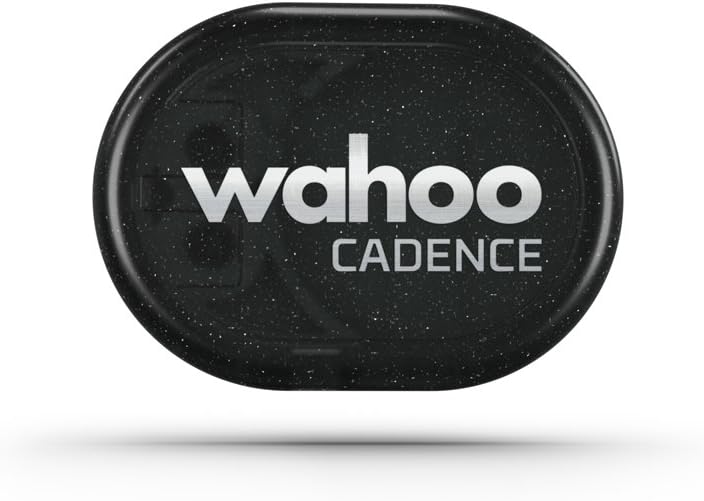
The Wahoo RPM Cadence Sensor is a smart, wireless accessory designed for cyclists who want to track their pedaling cadence in real time. Unlike traditional magnetic sensors, this compact unit uses an internal accelerometer to detect pedal revolutions without any external magnets or alignment hassles. It connects via Bluetooth 4.0 and ANT+, making it compatible with most smartphones, tablets, and dedicated bike computers from Garmin, Wahoo, and others.
This sensor is best suited for cyclists of all levels, from casual riders to serious athletes, as well as spin class enthusiasts and indoor trainers using apps like Zwift, Peloton, Strava, or MapMyRide. It's also a practical gift for fitness-conscious friends who want to improve their cycling efficiency. The universal fit and multiple mounting options (crank arm, shoe, or zip tie) mean it can be moved between bikes or used on a spin bike at the gym.
In real-world use, the Wahoo RPM delivers accurate cadence readings once installed correctly. User reviews consistently praise its ease of setup and reliable connectivity. The sensor wakes automatically when you start pedaling and enters a low-power sleep mode after periods of inactivity. Battery life is rated for approximately one year with typical use, and the CR2032 coin cell is user-replaceable. Some users report that the pre-installed battery may have a lower charge due to shipping vibrations, but this is easily resolved by replacing it.
Build quality is solid for a polymer-based sensor. The unit is IPX7 waterproof, meaning it can withstand immersion up to one meter for 30 minutes, so rain or sweaty rides are not a concern. The included mounting hardware (rubber holder, zip ties, double-sided tape, and shoe mount) offers flexibility for different preferences. The shoe mount is particularly handy for those who ride multiple bikes or use spin bikes, as you can simply clip the sensor to your shoe and not worry about per-bike installation.
One realistic limitation is that the sensor uses an accelerometer, which can introduce a slight delay (4-5 seconds) in displaying cadence on certain bike computers or watches. While this lag may disappoint competitive cyclists who demand instant feedback, most recreational and fitness riders will find it adequate for tracking trends and improving their pedal stroke. Proper orientation during installation – perpendicular to the crank arm or shoe laces – is essential for accurate readings.
For cyclists looking to enhance their training without a major investment, the Wahoo RPM Cadence Sensor offers excellent value. It's a simple, effective tool that integrates seamlessly into existing digital ecosystems. Whether you're a weekend warrior, a spin class regular, or someone who loves data-driven workouts, this sensor can help you understand and improve your cycling cadence. Its portability and easy setup make it a practical choice for both home trainers and on-the-road adventures.

Pros
- Featherlight, low-profile chassis prevents wrist bounce during fast tempo runs and intervals
- High-resolution AMOLED display is exceptionally readable in bright daylight
- Outstanding battery endurance eliminates daily charging habits
- Hybrid controls with a tactile digital crown make navigation simple with sweaty hands or gloves
- Robust companion app provides comprehensive training metrics without subscription fees
Cons
- Uses mineral glass rather than scratch-resistant sapphire crystal
- Route navigation is limited to breadcrumb trails rather than full offline topographic mapping
- Sporty resin and silicone styling is less suited for formal office wear
The COROS PACE 4 is a dedicated performance sports smartwatch engineered specifically for runners, multisport athletes, and data-minded fitness enthusiasts. Built as a featherlight training partner, this timepiece focuses on essential endurance capabilities: pinpoint satellite tracking, comprehensive physiological recovery metrics, and clear screen readability. While traditional smartwatches often burden the wrist with hefty cases and short battery reserves, this model prioritizes athletic function and all-day comfort.
On the wrist, the 43.4mm case diameter and slender 11.8mm profile make an immediate impression. Weighing between 32 and 40 grams depending on the strap configuration, it sits flush against the arm and produces zero bounce during fast-paced interval workouts. The included white silicone band is flexible, skin-friendly, and simple to rinse clean after intense sessions. Athletes who wear watches to bed will appreciate the lack of bulk, which allows the sleep tracker and heart rate sensors to gather overnight data without causing pressure points.
Readability is driven by a vibrant 1.2-inch AMOLED touchscreen boasting a 390x390 resolution. Contrast is sharp, colors pop against dark data fields, and the auto-adjusting backlight makes mid-stride pace checks effortless in broad daylight. COROS pairs this responsive touchscreen with their signature digital crown dial and tactile side buttons. This hybrid control setup proves invaluable during winter runs or rainy trail excursions when wet fingers or running gloves might make touchscreen swipes impractical.
Performance during workouts is anchored by an all-satellite dual-frequency GNSS chip that maintains solid satellite lock even when navigating tree-lined paths or urban neighborhoods. Training metrics like HRV index, real-time pace, heart rate, and training load calculate accurately, syncing quickly with the COROS companion platform. The addition of voice note recording lets athletes capture quick audio notes about trail conditions or perceived exertion immediately after a workout, turning the watch into an active training logbook.
There are a few trade-offs to keep in mind. The watch face is protected by mineral glass rather than premium sapphire crystal, meaning rugged trail scramblers should treat the screen with care. In addition, route guidance relies on breadcrumb navigation rather than detailed topo maps, and the casual white silicone aesthetic fits workout gear much better than business attire. For road runners, marathon trainers, and fitness enthusiasts wanting elite metrics and nearly three weeks of battery life, the COROS PACE 4 represents an exceptionally practical daily wear investment.
With a case thickness of only 11.8mm and an ultralight build, this timepiece ranks among the most comfortable sports wearables available. The contoured lugs hug small, medium, and larger wrists naturally without excessive overhang or strap gap. The flexible silicone band features closely spaced adjustment holes, ensuring a snug fit that keeps the optical heart rate monitor firmly against the skin for stable readings.
Because the watch feels practically weightless, it causes minimal fatigue during 20-mile training blocks, gym circuits, or extended travel days. It slides easily under long sleeves or windbreakers without snagging, making it a great companion for round-the-clock recovery monitoring.
Battery performance is where this watch separates itself from conventional daily smartwatches. Under typical daily use with continuous heart rate monitoring, smartphone notifications, and sleep tracking, the battery can last up to 19 days between charges. This eliminates charging anxiety and makes the watch ideal for long travel itineraries without packing extra cables.
During dedicated training sessions, the internal battery delivers up to 41 hours of continuous GPS tracking. That provides more than enough juice to cover multiple marathon distances, week-long backpacking trips, or back-to-back training days without reaching for the charging dock.

Pros
- Reliable dual ANT+ and Bluetooth connectivity pairs effortlessly with popular fitness smartwatches and apps
- Clever battery-reinstall design makes switching between cadence and speed modes quick and simple
- Remarkably lightweight at only 9 grams with secure tool-free silicone strap mounting
- Delivers responsive cadence and wheel speed tracking at a fraction of major brand accessory costs
Cons
- Each individual unit tracks either speed or cadence, requiring two separate sensors for simultaneous dual data
- Initial app-based pairing requires spinning the wheel or crank to wake the sensor from standby sleep mode
- Mobile app users must pair inside fitness apps rather than phone Bluetooth settings menus
For athletes and everyday fitness enthusiasts using multisport GPS smartwatches, dedicated cycling sensors are essential companions. The Magene S3+ Speed and Cadence Sensor is an ultra-compact wireless transmitter designed to feed accurate real-time telemetry straight to your wrist watch, bike computer, or indoor training tablet. By providing direct rotation data, it allows running and cycling watch owners to bypass GPS lag in dense city streets, heavy tree canopies, or during stationary trainer workouts where satellite tracking cannot function.
Based on product specifications and user feedback, setup is straightforward once you understand its dual-mode engineering. The sensor functions either as a crank-mounted cadence sensor or a hub-mounted speed sensor. Toggling between modes is as easy as removing and reseating the included CR2032 coin cell battery. A red LED indicator signals cadence mode for pedal stroke tracking, while a green LED confirms speed mode. Users pairing the device with Garmin sports smartwatches, Wahoo ecosystems, or virtual riding setups like Zwift report quick wireless handshakes over both ANT+ and Bluetooth protocols.
Durability and daily practicality are strong suits for this featherweight 9-gram accessory. The housing carries an IP66 water-resistance rating, meaning it easily handles road grime, torrential downpours, and puddle splashes without failing. The kit includes silicone mounting rings and contoured rubber base pads that grip crank arms and wheel hubs tightly, resisting vibration even over rough gravel paths or urban potholes. Because it relies on standard coin cell power, there is no need to remember another charging cable before heading out for a weekend century ride.
According to user reviews, there are a few practical quirks to keep in mind. Because each individual unit handles one task at a time, cyclists seeking simultaneous cadence and road speed data must purchase two units. In addition, the sensor enters an automatic sleep mode after one minute of inactivity to preserve battery life, so you must rotate your pedals or spin your wheel to wake the broadcast before pairing. Smartphone users should also remember to connect within their fitness app rather than standard phone Bluetooth settings.
Overall, the Magene S3+ stands out as an exceptionally sensible investment for multisport athletes, budget-conscious triathletes, and indoor cycling enthusiasts. It expands your training metrics reliably, seamlessly synchronizes with modern sports smartwatches, and provides high-utility performance without the steep price tag of proprietary sensor kits.
The Magene S3+ features versatile dual-protocol broadcasting, supporting both ANT+ and Bluetooth connections. Over ANT+, the sensor can simultaneously broadcast its rotational data to multiple receivers, such as your wrist-worn sports smartwatch and a handlebar-mounted cycling head unit. Bluetooth connectivity provides stable pairing with smart fitness apps, indoor spin bikes, and virtual training software.
Geomagnetic internal sensing eliminates the need for external wheel or frame magnets, keeping your bike clean and aerodynamic. The auto-sleep power management automatically pauses broadcasting after one minute of stationary rest, instantly waking up the moment you start pedaling to record your workout without manual intervention.
Weighing only 9 grams, the compact ABS composite shell is built to endure harsh outdoor riding environments. Its IP66 rating shields the battery compartment and sensitive internal electronics against direct water sprays, dirt, and winter road slush. The secure twist-lock battery door features clear alignment marks and a rubber gasket to prevent accidental moisture intrusion during rainy rides.
The included elastic mounting bands provide firm tension against varied crank arm shapes and hub barrel diameters. Paired with the textured rubber backing pad, the unit stays anchored without slipping or scratching sensitive crank finishes and carbon fiber components.
This sensor is an ideal match for fitness enthusiasts tracking indoor spin sessions on stationary bikes, where GPS data from a smartwatch is unavailable. Mounting the sensor in cadence mode on the pedal crank delivers accurate RPM readouts for structured rhythm intervals and spin classes.
It is equally valuable for outdoor road cyclists, gravel grinders, and daily commuters who want instant, jitter-free speed reporting through mountain valleys and dense urban corridors where satellite reception fluctuates. Triathletes and fitness gift buyers will appreciate its broad cross-platform compatibility with leading multisport watch brands.

Pros
- Brilliant, highly responsive touchscreen that remains legible across intense daylight and low-light conditions
- Dependable pairing across heart rate monitors, power meters, radar accessories, and smartwatches
- Substantial battery reserves capable of handling all-day centuries and multi-day tours
- Built-in speaker adds practical audio alerts and a friendly bell without extra handlebar clutter
Cons
- Address searching on the device requires specific inputs rather than freeform points of interest
- Substantial 3.5-inch footprint may feel bulky on minimalist road bike cockpits
- Extensive customization options require initial setup time to configure preferred data fields
The Garmin Edge 1050 represents the pinnacle of dedicated athletic navigation devices, functioning as a high-performance command center for cyclists, triathletes, and outdoor endurance enthusiasts. Designed to bridge the gap between dedicated bike computers and modern sports smartwatches, it pairs sophisticated GPS mapping with deep physiological tracking. For athletes who already rely on sports smartwatches to track daily recovery, heart rate variability, and sleep, this handlebar-mounted unit acts as a seamless extension of that ecosystem, presenting complex workout metrics without requiring you to glance at your wrist at high speeds.
Readability is where the device immediately distinguishes itself. The 3.5-inch color liquid crystal display remains sharp and vibrant across changing lighting conditions, from high-noon glare to shaded canopy trails. User feedback highlights that data fields, graphical elevation profiles, and top-down map layouts are easily absorbed at a glance. The responsive touchscreen operates reliably even when using cycling gloves, while tactile hardware buttons ensure consistent operation in wet weather or during high-cadence efforts.
In terms of real-world endurance and hardware build, the Edge 1050 is built to withstand demanding training schedules. The reinforced casing and secure quarter-turn mounting hardware keep the unit locked firmly over uneven pavement, gravel washboards, and technical trails. Battery performance is well suited for long weekend events, delivering up to 20 hours under full navigation with multiple connected sensors, extending up to 60 hours in battery saver mode. The addition of a built-in speaker serves double duty, offering clear audible navigation cues and functioning as an on-demand bike bell to alert pedestrians on shared paths.
Connectivity and sensor management remain central strengths. The device integrates easily with Bluetooth and ANT+ accessories, including power meters, cadence sensors, radar units, and compatible smartwatches transmitting heart rate data. While initial setup requires patience to organize the vast array of customizable data screens, the payoff is a tailored dashboard that presents real-time stamina, ClimbPro elevation data, and power targets exactly how you prefer them. According to user reviews, firmware updates have refined post-ride synchronization across platforms like Garmin Connect, Strava, and Apple Health.
There are a few realistic limitations to consider before purchasing. The points-of-interest navigation tool behaves like traditional automotive GPS, often requiring exact street addresses rather than conversational search queries like local coffee shops. Furthermore, the unit carries a substantial physical footprint that may appeal more to long-distance tourers and data-driven athletes than weight-conscious minimalists. Overall, it serves as an exceptional training investment and a great gift for serious cyclists who demand top-tier navigation, dependable battery longevity, and complete biometric awareness on every ride.
The Edge 1050 includes practical smart features that simplify life on and off the saddle. Built-in Garmin Pay lets you purchase drinks and post-ride meals directly from your handlebars at participating contactless terminals, eliminating the need to dig for credit cards or smartphones. On-screen smartphone notifications keep you aware of incoming calls and messages without disrupting your focus on the road.
For group training sessions, the device supports connected GroupRide capabilities that deliver live rider locations, incident detection alerts, and friendly climb leaderboards. Road hazard warnings submitted by fellow cyclists appear directly on your route screen, helping you prepare for potholes, debris, and changing road surfaces before they come into view.
Long-distance reliability is a core priority for endurance devices, and the Edge 1050 delivers substantial runtime. Under standard use with active navigation, high display brightness, and paired telemetry sensors, it reliably provides up to 20 hours of continuous tracking. User reviews note that century rides lasting over ten hours frequently conclude with plenty of battery reserve remaining.
For ultra-distance events and bikepacking trips where charging stations are sparse, activating battery saver mode extends operational life up to 60 hours. Fast USB-C recharging ensures the internal lithium-ion cell can be replenished quickly between daily training stages.

Pros
- Clear, legible 2.4-inch display with automatic ambient backlight
- Broad sensor support across ANT+ and Bluetooth protocols
- Exceptional battery longevity that outlasts wrist-based sports trackers
- Standard quarter-turn mount compatibility fits standard handlebar brackets
- Durable IP67 weatherproof build handles rainy rides with ease
Cons
- Initial GPS satellite lock can take several minutes when outdoors
- Smartphone app pairing can be finicky on select Android devices
- Out-front handlebar mount and extra telemetry sensors must be purchased separately
The COOSPO BC107 is a compact, wireless GPS cycling telemetry computer engineered for athletes, outdoor fitness enthusiasts, and daily bike commuters. While many riders rely on wrist-worn sports watches or smartphones for tracking workouts, mounting a dedicated digital instrument directly on the handlebars frees up your wrist, eliminates glancing away from traffic, and preserves your primary personal electronics for emergencies. Designed with a clean matte black housing and tactile push buttons, this unit offers a focused dashboard for essential ride metrics.
Targeted squarely at training cyclists, multisport athletes, weekend gravel explorers, and practical commuters, the BC107 provides direct readout of real-time speed, trip distance, elevation gain, current grade, and clock time. It also links to ANT+ and Bluetooth peripherals like heart rate chest straps, speed sensors, and cadence pods. For cyclists who already use wearable sports watches to record general fitness, mounting this head unit creates an uninterrupted cockpit view without awkward wrist turning during high-speed descents or group sprints.
In real-world cycling conditions, the 2.4-inch segment code FSTN glass screen excels in direct sunlight. Readability remains sharp from multiple viewing angles, while the built-in ambient sensor automatically engages the backlight when dusk settles. The GPS system operates independently of cellular reception, tracking routes accurately even under tree cover or across rural backroads. Battery endurance is a major highlight, consistently carrying riders through dozens of hours of riding on a single charge and easily outlasting conventional wrist smartwatches during century rides.
Build quality is utilitarian and resilient, featuring an IP67 rating that withstands sudden rainstorms, road spray, and gritty gravel paths. The chassis utilizes a standard quarter-turn locking mechanism compatible with widely available out-front mounts, ensuring a solid, rattle-free hold over rough asphalt. The physical push buttons are easy to operate even while wearing thick full-finger cycling gloves, avoiding the false triggers common to touchscreen instruments.
A few realistic considerations are worth noting before purchase. The initial satellite acquisition typically requires two to three minutes in an open outdoor area before rolling out. In addition, user feedback indicates that while iPhone synchronization is generally smooth, certain Android handsets may encounter occasional Bluetooth pairing delays with the companion application. The included rubber band handlebar mount is basic, so riders seeking an aerodynamic cockpit profile will want to pick up an out-front extension bracket.
Overall, the COOSPO BC107 represents an exceptional value for cyclists seeking dependable ride telemetry without paying premium prices. Whether you are an everyday commuter monitoring mileage, an athlete analyzing cadence and heart rate zones, or someone shopping for a practical fitness gift for an avid cyclist, this instrument delivers reliable data and solid durability on every ride.
The BC107 features a 2.4-inch FSTN segmented LCD screen engineered specifically for outdoor visibility. Sunlight readability is outstanding, allowing you to glance down and instantly read your current speed, distance, and training zones without squinting or shifting position on the bike.
An integrated ambient light sensor automatically turns on the soft backlight as daylight fades. This seamless transition ensures nighttime commuters and early-morning training athletes can monitor their stats safely without manually fiddling with buttons in the dark.
Unlike power-hungry color touchscreen devices, this monochrome GPS unit delivers exceptional power efficiency with dozens of hours of operational life per charge. It easily handles weeks of regular training rides or multiday bike tours before needing a recharge.
Dual-band ANT+ and Bluetooth connectivity lets you sync external heart rate straps, cadence sensors, and power meters with ease. Ride data saves in universal .fit format, allowing quick export to Strava and training platforms through the CoospoRide smartphone companion app.
Pros
- Tactile button controls are completely immune to accidental rain triggers or sweaty glove misfires
- Multi-band GNSS provides top-tier positional accuracy and reliable turn-by-turn routing
- Impressive 26-hour battery life easily supports back-to-back long weekend rides without recharging
- Integrates effortlessly with Garmin sports watch ecosystems and third-party training platforms
Cons
- Button-only navigation requires a slight learning curve compared to touchscreen units
- Unlocking full stamina and power target analytics requires separate power meter and heart rate sensors
- The 2.6-inch display is compact, which may feel tight for riders who prefer complex multi-field map screens
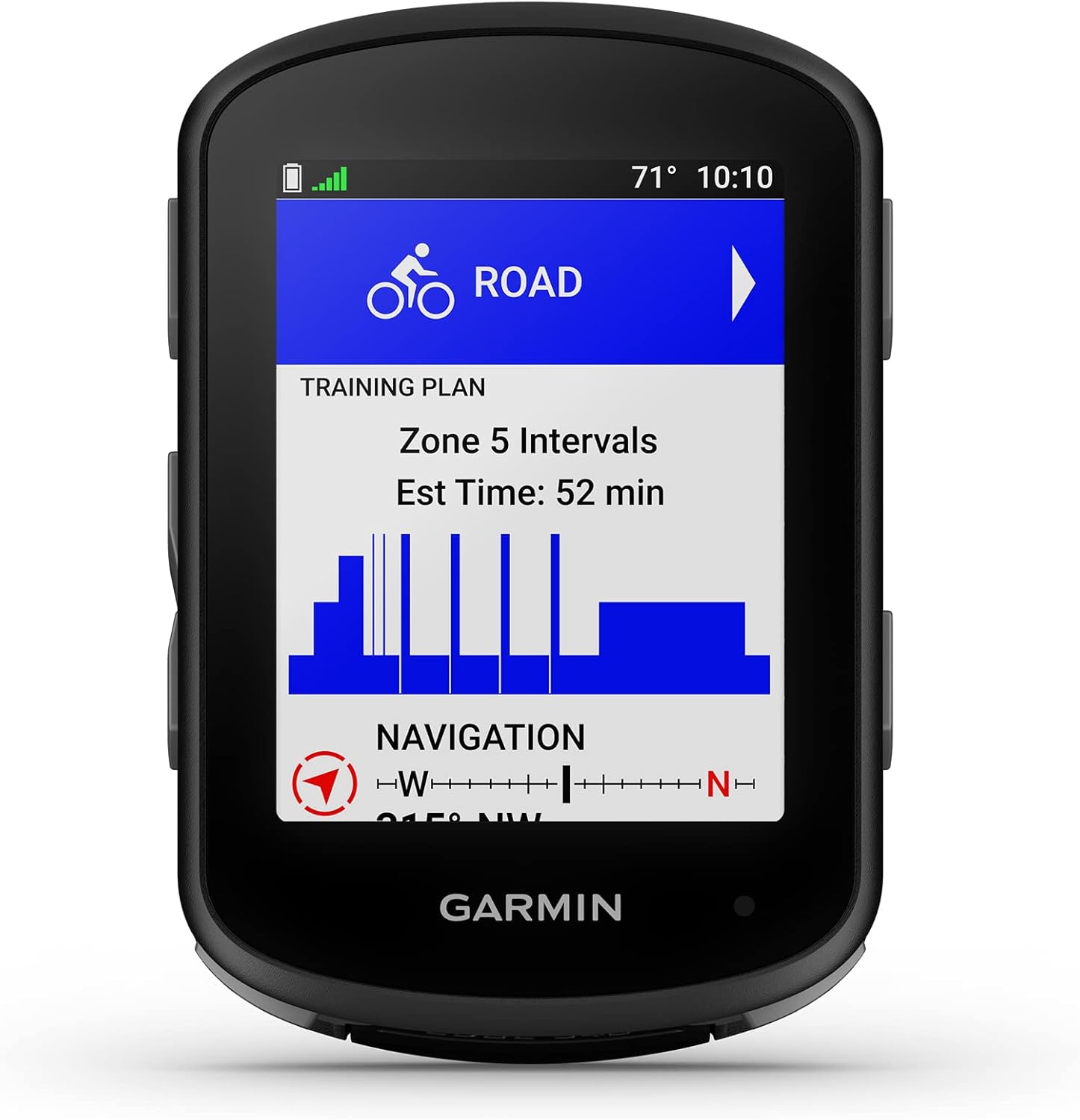
The Garmin Edge 540 is a dedicated cycling GPS computer built to serve as an indispensable handlebar cockpit for road riders, gravel grinders, and multisport athletes. While multisport smartwatches are excellent for collecting all-day biometric health data, checking your wrist during high-speed descents or intense interval efforts is both inconvenient and unsafe. This unit bridges that gap by putting vital timekeeping, speed, navigation, and power metrics directly in your line of sight.
A standout design choice on the Edge 540 is the reliance on physical push buttons rather than a touchscreen. In real-world outdoor conditions involving steady rain, road spray, or freezing temperatures where full-finger gloves are required, touchscreens can be finicky. The tactile buttons along the edges provide crisp, positive feedback, allowing you to cycle through data pages, mark laps, and review ascent profiles without taking your focus away from the road.
Positional tracking is powered by multi-band GNSS technology, ensuring crisp track recording and prompt turn alerts even when riding through dense forest canopies or towering downtown streets. For hilly training days, the ClimbPro feature offers immediate elevation data, illustrating remaining gradient and distance on climbs on the fly. When paired with your compatible heart rate monitor or power meter, the device calculates real-time stamina metrics, showing how much energy reserves remain before fatigue sets in.
Battery endurance is another major asset for endurance athletes and weekend bikepackers. The device delivers up to 26 hours of continuous operational life in standard GPS mode and stretches out to 42 hours in battery saver mode. Fast recharging over modern USB-C ensures that you can top off the unit quickly between long training blocks or weekend touring stages.
As with any high-performance tracking gear, there are practical trade-offs. Entering addresses directly onto the device using buttons can feel tedious, making route planning via the Garmin Connect smartphone app the preferred workflow. Additionally, unlocking its deepest adaptive coaching features requires pairing additional sensors. For athletes already invested in sports watches and structured training routines, the Edge 540 delivers a dependable, weather-resistant data display that elevates every outdoor ride.
The Edge 540 integrates smoothly into the broader Garmin ecosystem. Users wearing compatible multisport smartwatches can broadcast heart rate data directly to the head unit or take advantage of extended display mode during triathlons, transferring wrist data directly to the handlebars upon exiting transition.
Wireless synchronization via Bluetooth and Wi-Fi allows ride data, Strava segments, and structured workout plans to sync automatically once you finish your ride. Smart notifications keep you aware of incoming calls and text alerts without pulling a phone out of your jersey pocket.
Offering up to 26 hours in demanding tracking scenarios, the Edge 540 easily handles all-day centuries, multi-hour gravel races, and long weekend training camps. In battery saver mode, run times can extend up to 42 hours by turning on the display only when alerts or prompts occur.
Charging is handled via a modern USB-C port protected by a weather-tight rubber gasket, ensuring fast power top-ups and broad cable compatibility when traveling.

Pros
- Featherlight 17-gram profile mounts cleanly without disrupting wheel balance
- Up to 12 months of runtime on a user-replaceable CR2032 coin cell
- IP67 water rating provides dependable all-weather riding protection
- Dual Bluetooth broadcasting seamlessly connects to smartwatches and cycling apps
Cons
- Lacks ANT+ support, limiting pairing options with older head units
- Does not sync directly to Strava without an intermediary device or companion app
- Incompatible with most spin bikes lacking accessible wheel hubs
Multisport athletes and tech-focused cyclists often seek accurate pacing and distance metrics that go beyond standard satellite signals. The COROS Bike Speed Sensor serves as a dedicated hardware companion for fitness smartwatches, cycling computers, and virtual training apps. Designed to mount directly to either the front or rear wheel hub, this compact unit measures wheel rotations to deliver instantaneous speed and distance metrics, bypassing the lag or signal dropouts common in dense forests, urban canyons, or indoor training caves.
For athletes already invested in sports watch ecosystems like COROS or other Bluetooth-enabled smart devices, setup is straightforward. The sensor pairs via dual-channel Bluetooth, allowing it to transmit telemetry to your wrist-worn sports watch and a virtual cycling platform like Zwift simultaneously. Weighing a mere 17 grams, the sensor fastens securely to your hub without disrupting wheel balance or adding noticeable rotational weight during spirited road sprints or technical climbs.
Real-world outdoor conditions demand equipment that can survive the elements, and this sensor carries an IP67 rating for water and dust resistance. Whether riding through sudden afternoon downpours or navigating dusty gravel trails, the internal electronics stay shielded. It operates on a user-replaceable CR2032 coin cell battery, offering up to a full year of runtime based on an hour of daily riding. The front LED provides clear battery alerts, turning from green to orange when it is time to twist off the battery cap for a quick replacement.
While the sensor delivers reliable wheel-based telemetry, buyers should consider its connection protocols. The device relies exclusively on Bluetooth and does not include ANT+ broadcasting, which may disappoint cyclists using legacy cycling head units. Additionally, it cannot push data directly to Strava without passing through a compatible smartwatch or training application first, and standard spin bike designs without traditional hubs are generally incompatible.
The COROS Bike Speed Sensor is a solid, low-maintenance accessory for multisport smartwatch wearers, weekend cyclists, and indoor pain-cave enthusiasts. By bridging the gap between wrist-based smart tracking and on-bike mechanics, it ensures training logs remain accurate across every mile, rain or shine.
This speed sensor enhances multisport smartwatch ecosystems by providing wheel-based speed and distance data directly over Bluetooth. With dual-device broadcasting capabilities, you can feed live velocity stats to your sports watch while simultaneously running an indoor virtual cycling workout on Zwift or Wahoo.
Because it operates independently of satellite positioning, it is especially valuable for indoor bike trainers where GPS is entirely non-functional. Automatic sleep and wake functions activate when movement is detected and shut down after a few minutes of inactivity to preserve battery power.
Powered by a standard CR2032 button cell battery, this unit provides up to 12 months of performance based on an average of one hour of daily riding. It eliminates the chore of remembering to recharge another gadget before heading out the door.
When the battery eventually runs low, the integrated multi-color LED indicator shifts from green to orange, giving you plenty of advance notice. Swapping the cell requires a simple quarter-turn of the tool-free battery cap, making maintenance quick and straightforward.

Pros
- Clear, glanceable 2.4-inch screen with an automatic backlight for night or low-light training
- Extensive sensor compatibility supporting both ANT+ and Bluetooth heart rate straps and cadence pods
- Substantial 28-hour battery longevity eliminates the hassle of frequent recharging between rides
- Robust IP67 weather sealing ensures dependable operation through wet commutes and rainy rides
Cons
- Display layout is fixed and does not allow full field customization for smaller data metrics
- Mobile companion app can occasionally be tricky to sync on select smartphone models according to user feedback
- Included rubber band handlebar mount is basic, prompting some riders to upgrade to a rigid out-front bracket
Athletes and fitness enthusiasts who rely on sports watches or dedicated fitness trackers often find glancing down at their wrists during intense rides both awkward and inconvenient. The COOSPO BC107 GPS Cycling Computer serves as a dedicated handlebar-mounted digital dashboard, offering a practical solution for cyclists, triathletes, and outdoor commuters. Rather than twisting your wrist to check a compact smartwatch display at high speeds, this unit places critical metrics directly in your primary field of view. It pairs neatly with the included BK467 speed or cadence sensor to deliver precise training data on every pedal stroke.
Readability is a major strength on the road. The 2.4-inch anti-glare FSTN LCD screen presents prominent, sharp numbers for essential stats like current speed, total elapsed time, and ride distance. An automatic backlight illuminates the screen during early morning workouts or dusk commutes, preserving visibility without blinding the rider. While users with limited close-up vision note that smaller secondary fields like time of day and elevation grade require a closer look, the primary speed indicator remains bold and easy to read during brisk sprints.
Under the hood, the BC107 leverages built-in satellite positioning alongside ANT+ and Bluetooth 4.0 dual-protocol connectivity. Based on product specifications and user feedback, it links reliably with third-party heart rate straps, speed pods, and power sensors. Cyclists who wear compatible fitness watches or chest straps can beam their cardiovascular data straight to the screen, unifying their physical exertion metrics with ride velocity. Once the workout wraps up, ride logs transfer through the companion mobile app to Strava and other third-party fitness hubs for post-ride analysis.
Durability and daily practicality are well aligned with outdoor demands. The unit carries an IP67 water resistance rating, ensuring complete protection against dust ingress and dependable resilience against torrential rain. The internal lithium-ion battery is rated for up to 28 hours of run time, meaning dedicated commuters and weekend endurance riders can go multiple weeks between charges. The device snaps into a universal Garmin-style quarter-turn mount, making it easy to twist off and stow in a pocket or gym bag when parking in public spaces.
There are a few realistic limitations to consider before buying. The included rubber O-ring mounting base feels minimalist, and several riders report choosing a rigid out-front handlebar arm for greater stability on bumpy terrain. Additionally, the digital layout cannot be rearranged, and some Android smartphone users report occasional hiccups when initiating Bluetooth data syncs through the proprietary app. Nevertheless, for riders seeking accurate satellite tracking, extensive sensor support, and exceptional battery life without an exorbitant price tag, the COOSPO BC107 offers outstanding training utility.
Battery performance is one of the strongest highlights of the COOSPO BC107. Equipped with an internal rechargeable lithium-ion battery, the device delivers up to 28 hours of continuous operation while actively tracking GPS and maintaining sensor connections. This endurance rivals far more expensive fitness hardware, providing athletes with reliable tracking across multi-day tours or extended training blocks without battery anxiety.
Charging is straightforward via the included USB cable, easily replenishing power from any standard wall adapter, power bank, or laptop port. For long-distance travelers and endurance athletes participating in century rides, the extended battery life ensures the computer continues capturing accurate performance data from start to finish.
The BC107 features broad digital integration thanks to dual ANT+ and Bluetooth 4.0 wireless capabilities. It pairs smoothly with external hardware such as cadence sensors, speed hubs, and heart rate chest monitors, displaying combined metrics cleanly on a single screen. This dual-band capability makes it easy to integrate into existing sports watch setups and fitness gear ecosystems.
Through the CoospoRide companion application, users can easily synchronize ride records and route maps directly to Strava. The app provides automated data transfer, performance heat maps, and firmware update support, turning raw ride files into actionable performance telemetry for recreational cyclists and competitive athletes alike.
Built for the unpredictable nature of outdoor training, the COOSPO BC107 features an IP67 international protection rating. This certification signifies that the chassis is fully sealed against dust, grit, and mud, while also remaining completely water resistant against heavy downpours and wheel spray.
Riders who brave wet weather conditions can ride with peace of mind knowing the internal electronics and display housing will not succumb to moisture intrusion. The sealed button layout and tight casing ensure consistent tactile response even when operating the unit with drenched cycling gloves.
If this topic is part of a bigger decision, best watch for strava cycling is a useful related read.
Frequently Asked Questions about Best Watch For Road Cycling Performance
Which device offers the longest battery life for road cycling?
The Garmin Edge 1050 provides up to 20 hours in demanding use and up to 60 hours in battery saver mode. The COROS PACE 4 offers 41 hours of continuous GPS tracking. For extended rides, the Edge 540 gives 26 hours standard use, while the Garmin Forerunner 55 lasts up to 20 hours in GPS mode. Choose based on your typical ride length and need for live features.
Can I use a GPS watch instead of a cycling computer for road cycling?
Yes, GPS watches like the COROS PACE 4 and Garmin Forerunner 55 include cycling profiles with accurate speed, distance, and heart rate tracking. They also offer daily suggested workouts and recovery insights. However, cycling computers like the Garmin Edge 1050 provide larger screens and dedicated cycling metrics like power guide and climb pro. For most road cyclists, a watch saves wrist space while still delivering essential performance data.
Are these devices water resistant?
Many of these devices have solid water resistance. The COOSPO BC107 bike computer has an IP67 rating, meaning it can handle rain and splashes. The COROS PACE 4 is water-resistant to 5 ATM (50 meters), suitable for heavy sweat or rain. The Garmin Edge 540 and Edge 1050 are also water-resistant to IPX7 standards. Always check the product specifications for exact limits. Sensors like the Wahoo RPM and Magene S3+ are not fully waterproof but resist splashes.
Do I need additional sensors for cadence and speed?
It depends on the device. The COOSPO BC107 bundle (ASIN B0BV9DW2DQ) includes a cadence/speed sensor. The Wahoo RPM and Magene S3+ are standalone sensors you can add to any bike computer or watch. Many GPS watches like the COROS PACE 4 can pair with external sensors via Bluetooth or ANT+ for more accurate cycling data. If you only need basic speed and distance from GPS, you may not need extra sensors for casual rides.
Is there any subscription required for features?
The Shot Scope V5 specifically states no subscription fees. Most other devices, including Garmin and COROS products, offer free basic apps with options for premium subscriptions (e.g., Garmin Connect, COROS app). Core features like GPS tracking, training suggestions, and activity syncing are available without extra cost. The COOSPO and Magene sensors work with free third-party apps like Wahoo FITNESS or Zwift. Always review the app subscription details before purchase.
How accurate is the GPS tracking on these devices?
The Garmin Edge 540 uses multi-band GNSS technology for enhanced positioning accuracy, even in challenging environments like tree-lined roads. The COROS PACE 4 also features advanced GPS with multiple satellite systems (GPS, GLONASS, etc.). The COOSPO BC107 provides reliable GPS but may take 3-5 minutes for first positioning. Based on user feedback, the Garmin Forerunner 55 offers accurate pace and distance for road cycling. Accuracy can vary with weather and surrounding terrain.
Which device is best for group rides?
The Garmin Edge 1050 stands out for group rides with in-ride messaging, live location sharing, and road hazard alerts from fellow cyclists. It also includes a built-in speaker for navigation prompts and a bike bell. The Edge 540 offers group ride features but without the speaker. For a wrist-based option, the COROS PACE 4 allows connectivity with your phone for safety notifications, but it lacks dedicated group ride tools. The Edge 1050 is ideal if you frequently ride with others.
If this topic is part of a bigger decision, best watch for cycling and swimming is a useful related read.




Write Your Review
No reviews yet. Be the first to share your experience!