


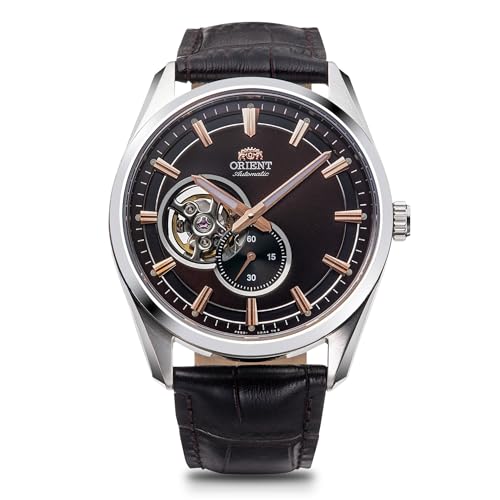
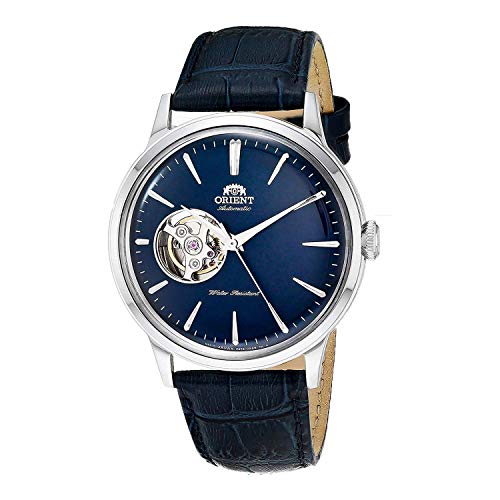
Solid mechanical movements bring a unique pulse to everyday timekeeping, yet bulky cases and stiff leather straps often cause wrist fatigue during long office hours. Dial cutouts solve the mystery of what ticks beneath the crystal without forcing you into a fully skeletonized look that ruins fast legibility. Based on our detailed comparison of watch features and user feedback, picking the best open heart watches requires balancing open balance wheel apertures with reliable power reserves, clean hour markers, and comfortable case profiles. Whether you appreciate the formal charm of best leather watches for men or desire a stainless steel bracelet for regular office wear, mechanical balance wheels add engaging visual rhythm to your wrist.
Scratch resistance and daily timekeeping precision remain essential for any serious timepiece enthusiast. Mineral crystals deliver attractive vintage dome shapes, while synthetic sapphire crystals ensure maximum defense against stray desk scuffs and door jambs. Budget constraints also matter, prompting many buyers to balance high-end Swiss calibers against the best looking cheap watches available on the market. A well-built open dial setup allows you to admire mechanical oscillations without compromising daily reliability, case water resistance, or comfortable clasp security.




Frequently Asked Questions
Are the best open heart watches suitable for daily office wear?
Yes, open aperture dials transition effortlessly into professional work settings. Most dress watch options feature moderate case diameters between 39mm and 41mm with reasonable case thickness, sliding smoothly under standard shirt cuffs. Pairing an open balance wheel design with a genuine leather strap or stainless steel links maintains formal elegance while offering visual interest during desk hours.
How accurate are mechanical open heart movements compared to quartz timepieces?
Mechanical open aperture watches typically run within an accuracy range of +25 to -15 seconds per day. While they lack the pinpoint timekeeping of quartz movements or best solar atomic watches, self-winding calibers provide traditional craftsmanship and smooth sweeping second hands that battery-powered timepieces cannot duplicate.
Can you swim while wearing an open aperture automatic watch?
No, most classic models are rated for 30m or 50m water resistance, which only protects against light hand washing and accidental splashes. Swimming or showering requires at least a 100m water resistance rating with secure case gaskets, such as those found on sports watches or specialized dive watch cases.
What is the difference between an open heart watch and a skeleton watch?
An open heart watch displays only a targeted cutout on the dial to showcase the beating balance wheel, preserving the rest of the dial for easy readability. A skeleton watch cuts away the majority of the dial and baseplate to expose gear trains and springs, which can make reading the hands significantly harder in dim lighting.
How long will an automatic movement run when taken off the wrist?
Most automatic calibers provide between 40 and 80 hours of continuous power reserve when fully wound. Standard Japanese automatic movements typically deliver around 40 hours of operation, whereas specialized Swiss calibers can run up to 80 hours before requiring manual winding or wrist motion.




Write Your Review
No reviews yet. Be the first to share your experience!